GCPEA News
GCPEA News: Daily Snapshots of the Fifth International Conference on the Safe Schools Declaration
GCPEA, November 25, 2025
DAY ONE: NOVEMBER 25, 2025
Hundreds of representatives from governments, UN agencies, civil society, and academia are gathering in Nairobi to reflect on progress, share experiences, and determine the way forward to ensure that education is never a target of war.
Hosted by the Government of Kenya, in partnership with the Governments of Argentina, Norway and Spain, the Global Coalition to Protect Education from Attack (GCPEA), UNICEF, UNESCO, Plan International, and Save the Children, the 5th International Conference on the Safe Schools Declaration (SSD) will shape the protecting education agenda for years to come.
Day one of the Conference revolved around “Progress and challenges on strengthening implementation of the Safe Schools Declaration.” For a full list of sessions and speakers, readers can consult the webpage here.
The opening keynote address set the tone for the Conference by underscoring the centrality of protecting children’s rights and ensuring safe, quality education in situations of armed conflict. Ms. Vanessa Frazier, Special Representative of the Secretary-General for Children and Armed Conflict, reminded delegates that “We have frameworks and tools; what we need now is political commitment to make them work..”
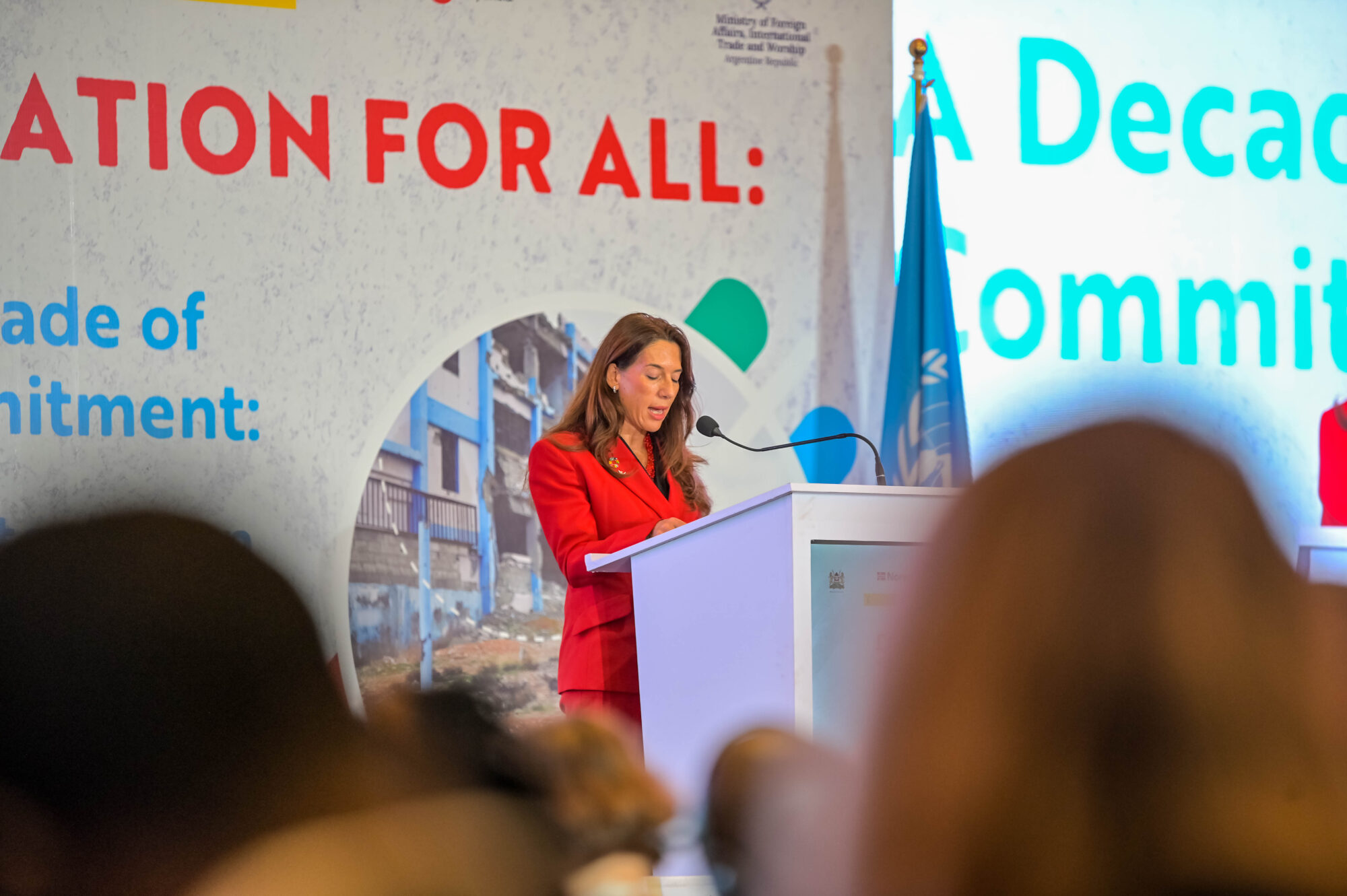
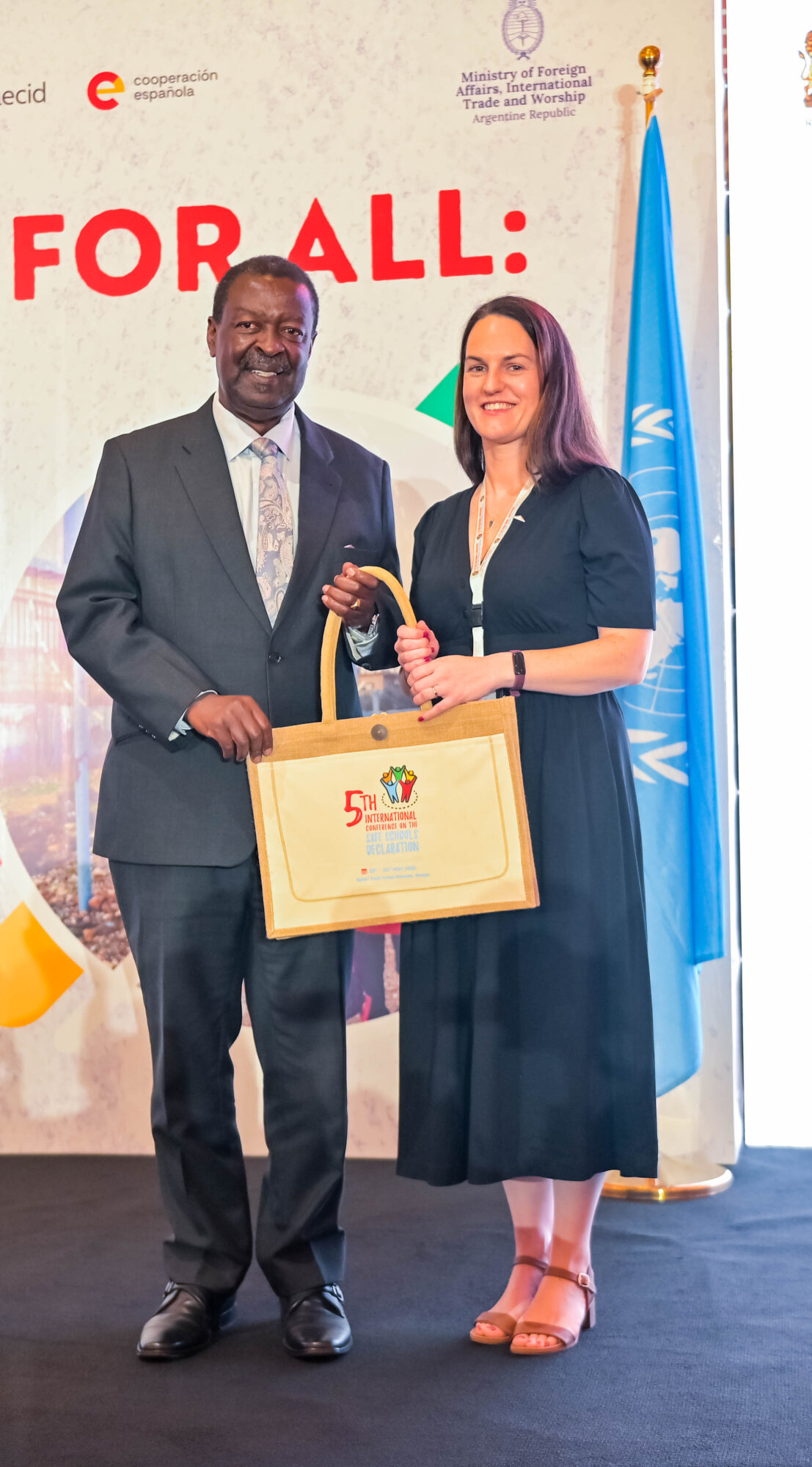
The following high-level opening ceremony stressed the urgent need for renewed political will and concrete actions as attacks on schools and universities continue to escalate globally. Speakers from the Governments of Norway, Spain, and Kenya, as well as GCPEA, COMESA, the European Commission, UNESCO, UNICEF, Plan International, and Save the Children encouraged states and partners to adopt time-bound and forward-looking actions that safeguard safe, inclusive, and resilient learning environments for all. Commenting on the 10th anniversary of the SSD, Orlaith Minogue, the Chair of GCPEA, remarked that, “Anniversaries are not only celebrations but a chance to recommit.” His Excellency, Dr. Musalia Mudavadi, the Kenyan Prime Cabinet Secretary and Cabinet Secretary for Foreign and Diaspora Affairs, struck a similar note, stressing that ““This Conference must be a turning point. While the last decade built a strong framework, the next must deliver measurable progress.”
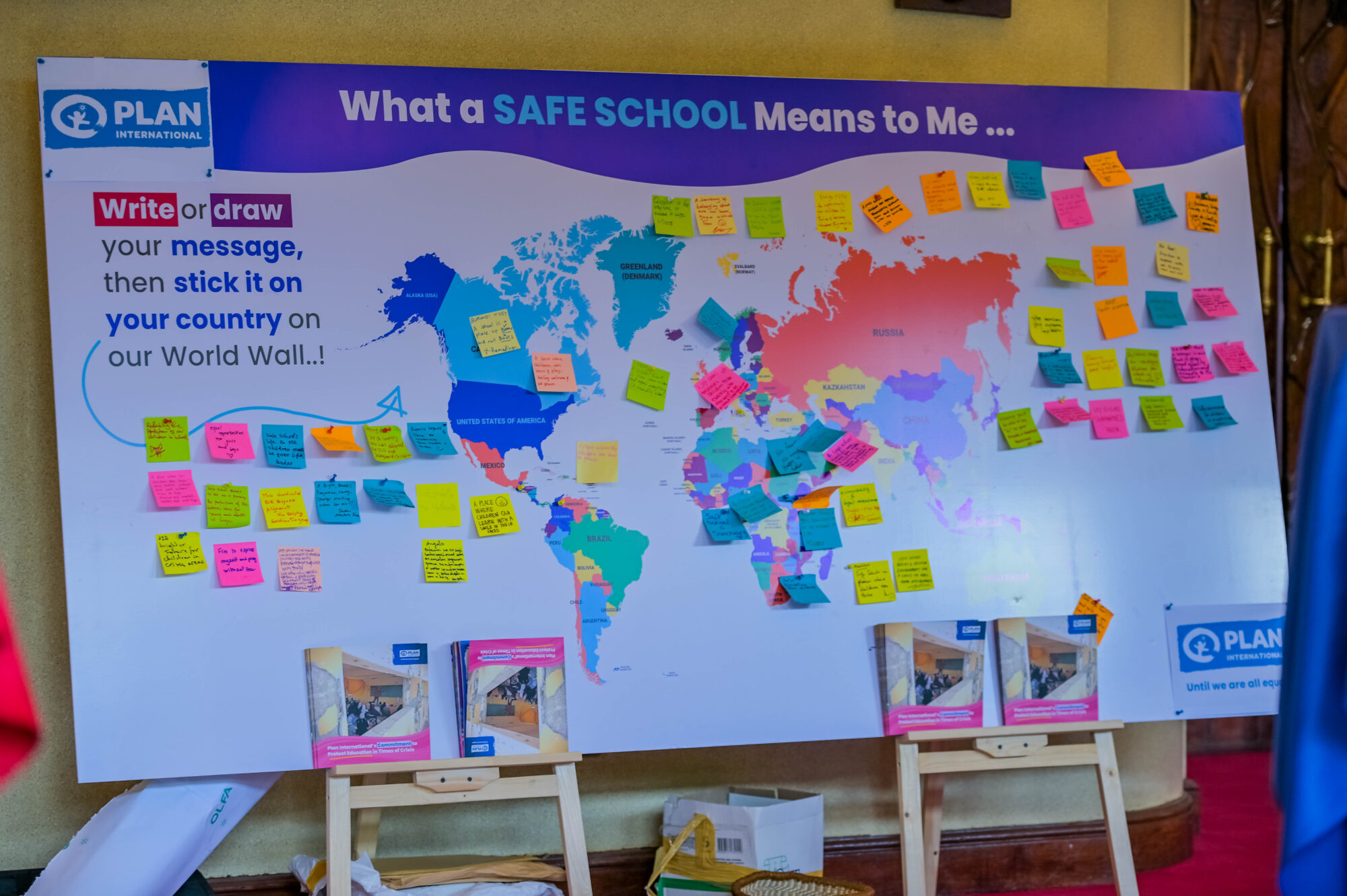
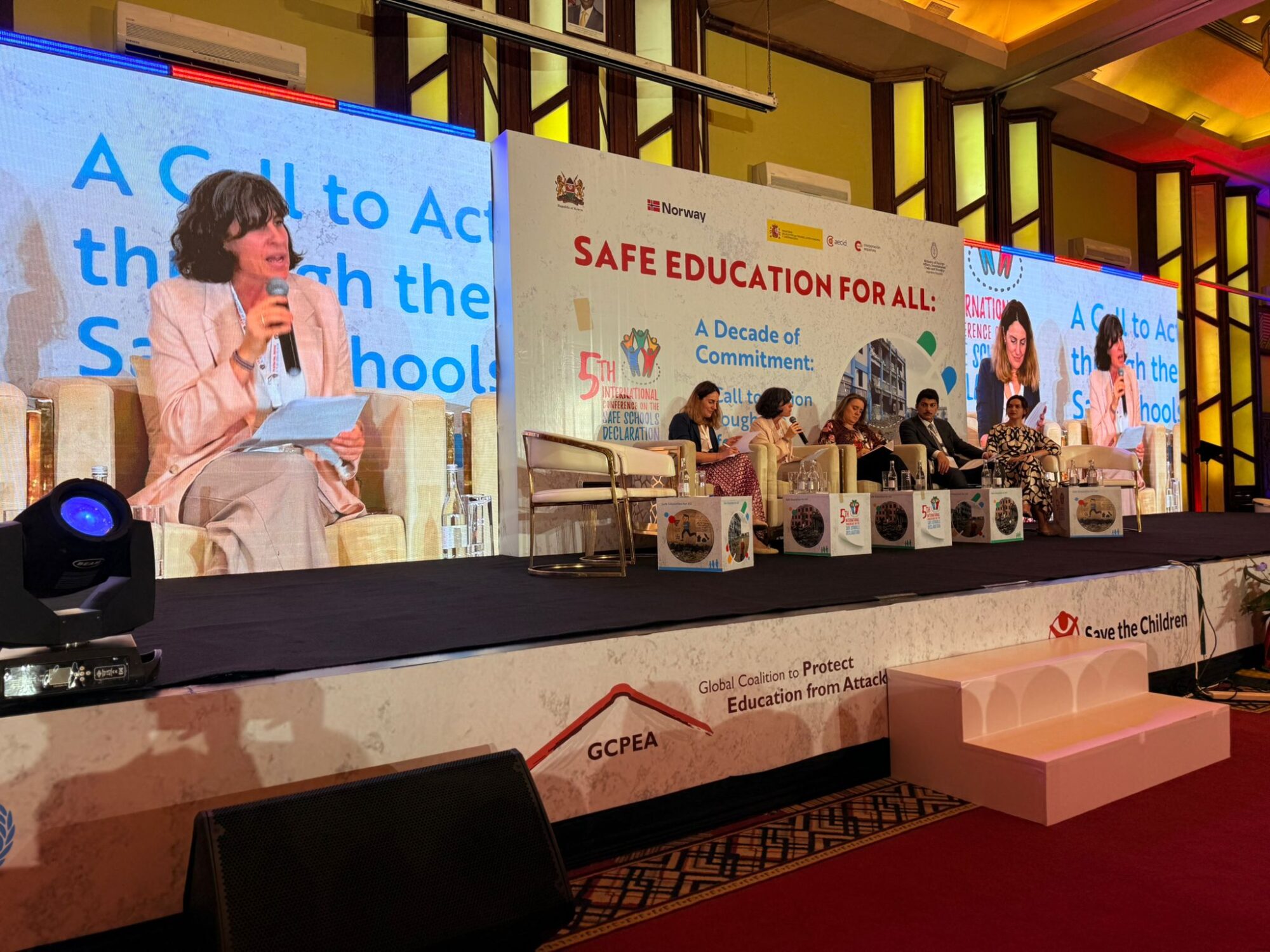
In the “Voices from the Ground Forum” session, children, youth, teachers, and communities affected by conflict shared firsthand their experiences of attacks on education. The panel served as a powerful reminder that in order to build inclusive, context-driven responses to protect education in conflict settings, local experiences, insights, and recommendations must be centered in global policy discussions.
After lunch, the Conference took stock of “Achievements, Challenges, Status of SSD endorsement and implementation.” With 122 endorsements, the SSD has catalyzed changes in laws, policies, and practices around the world. Yet, challenges persist, including increasing attacks on education, gaps in accountability for violations, and the rise of military use of schools and universities. During the panel, GCPEA’s Senior Advocacy and Policy Advisor Ilaria Paolazzi emphasized the consequences of attacks and noted that in their aftermath, “communities continue to rebuild and reclaim learning. Their resilience is the very foundation of the Safe Schools Declaration.”
The first day ended with a “Solutions Showcase” featuring 11 different booths highlighting innovations in multisectoral domestication of the SSD. In GCPEA’s booth on the “State-led Implementation Network on the SSD,” the Coalition promoted the Network’s activities, while representatives from Norway and Nigeria highlighted progress on the implementation of the SSD. Booths by other partners included presentations on innovative solutions to better protect education from attack, including the role of SSD committees in different contexts, community engagement, meaningful child participation, effective measures to ensure the continuity of education in times of conflict and the importance of coordination, adopting an all-hazard approach to school safety, and more.

If readers missed the first day of action and want to follow along for day two, they can access the livestream on the Conference website. This page will also be updated with another summary at the end of the second day.
DAY TWO: NOVEMBER 26, 2025
On the second and final day of the 5th International Conference on the Safe Schools Declaration (SSD), the focus shifted to “Strengthening Global Commitments and Accountability for Safe Education.”
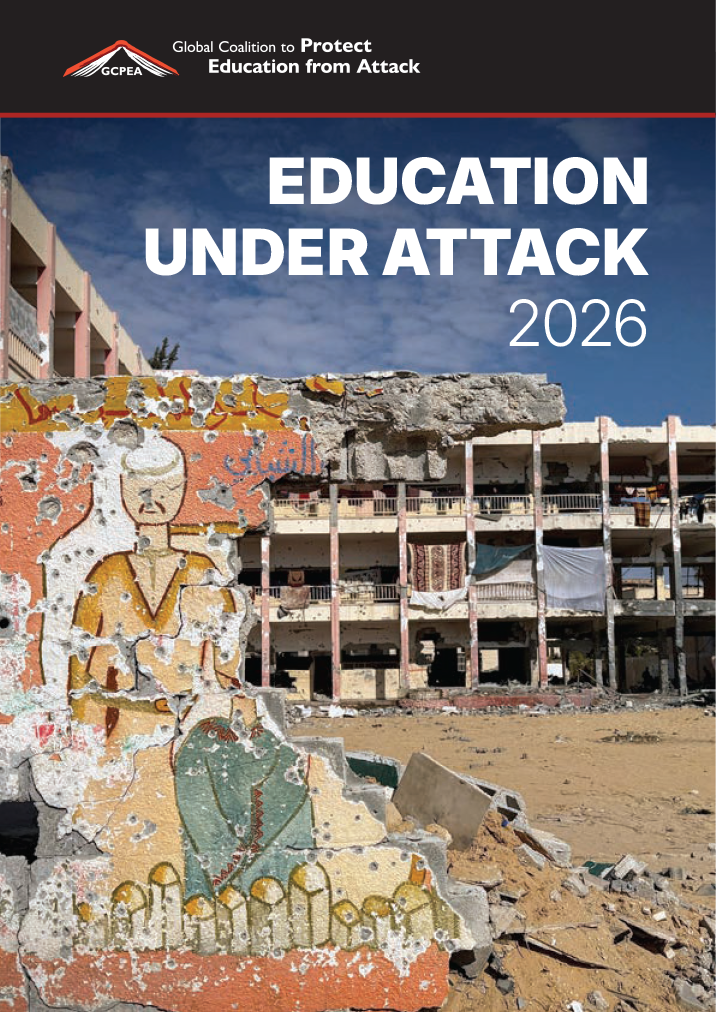
Before the opening session on gender-based attacks on education and gender-sensitive implementation of the SSD, GCPEA launched the Coalition’s new research brief. Entitled “Invisible Crimes, Lost Classrooms: Addressing Under-Reporting and Impunity in Attacks on Girls’ Education,” the brief advances new and essential findings, trends, and pathways forward. GCPEA has documented gender-targeted attacks in at least 15 conflict-affected countries in recent years. Schools and universities were not only destroyed, but also occupied or used for military purposes, exposing girls to heightened risks of sexual violence and recruitment. When these institutions become unsafe, girls are often the first to be withdrawn, leading to years of lost education globally. For more, readers can consult the brief here.

During the opening session, panelists examined the specific ways in which attacks on education affect learners and educators differently based on gender and shared strategies and good practices for gender-responsive implementation of the SSD. GCPEA’s Senior Researcher Allyson Bachta remarked that “Gender and other intersecting identities shape who is targeted and how they are harmed.” Other panelists highlighted the importance of connecting policy to practice, especially in domestic law and frameworks, and of centering trauma-informed and community-led approaches to protect girls and reintegrate victims of gender-based attacks on education.

Next, the Conference moved to a plenary session on protecting schools and universities from military use during armed conflict. Bringing together experts and practitioners, including representatives from armed forces, the session examined how the Guidelines for Protecting Schools and Universities from Military Use during Armed Conflict can enhance respect for International Humanitarian Law obligations and help prevent future violations. The panelists presented numerous concrete and actionable examples of best practices. These included enacting domestic legislation and policies to regulate and prohibit the use of schools for military purposes, setting up inter-ministerial SSD committees, and for all parties to adopt early warning and response indicators to better implement commitments in light of new threats.
After a short break, the Conference reconvened for a session on “Ensuring greater accountability for attacks on education.” Of the six core commitments of the SSD, GCPEA has found that ensuring accountability for attacks on education remains under-implemented and thus launched its accountability guide and new workstream at the start of the year in partnership with the Education Above All Foundation (EAA). EAA’s Law and Policy Manager Siraj Khan moderated the panel, while GCPEA’s Accountability Consultant Michelle Oliel represented the Coalition as a panelist. Together, with the other participants from Global Rights Compliance and Colombia’s Special Jurisdiction of Peace, they stressed that accountability mechanisms must be survivor-centered, incorporate the priorities and perspectives of children, and reinforce the societal value of education as a fundamental right.

The last session before the closing covered resource and partnership mobilization to advance SSD implementation and the 2030 Sustainable Development Goals (SDGs). With only five years to achieve SDG 4 (quality education), escalating attacks on education and widening financing gaps make protecting learning environments more urgent than ever. The panel brought together governments, donors, multilateral partners, and regional platforms with the end goal of strengthening coordination and collaboration among donors, multilateral organizations, and emerging funders. Key highlights that emerged included the need to scale up dynamic funding models including multiyear and flexible financing with crisis modifiers.
For the Conference’s conclusion, a number of high-level speakers from UN bodies and the Norwegian Ministry of Foreign Affairs joined GCPEA’s Chair, Orlaith Minogue, to culminate two days of intensive dialogue, commitment-making, and collective action planning. Orlaith Minogue remarked, “Let us ensure that in the future, when we look back on this Conference, we will be proud not just of the commitments made, but of the commitments delivered.” The Conference formally closed with the presentation of the Nairobi Outcome Document. A summary of nine key takeaways and actions compiled by the Conference’s co-chairs, the Outcome Document will lay the way forward for the protection of education from attack. For more on the Outcome Document, please keep an eye on the Conference website in the coming weeks.
GCPEA hopes all delegates leave Nairobi with renewed vigor to confront rising threats to education in armed conflict, with years to implement commitments and mobilize new partnerships and ways of working before the next and 6th iteration of the Conference.